
Article Summary: In modern agriculture, efficiency, soil fertility, and cost-effectiveness are critical factors. The manure spreader is a vital piece of farming equipment that helps distribute organic fertilizer uniformly across farmland. This article explores the benefits, types, maintenance, and selection of manure spreaders, focusing on the innovative solutions provided by FASTMA to improve productivity while supporting sustainable farming practices.
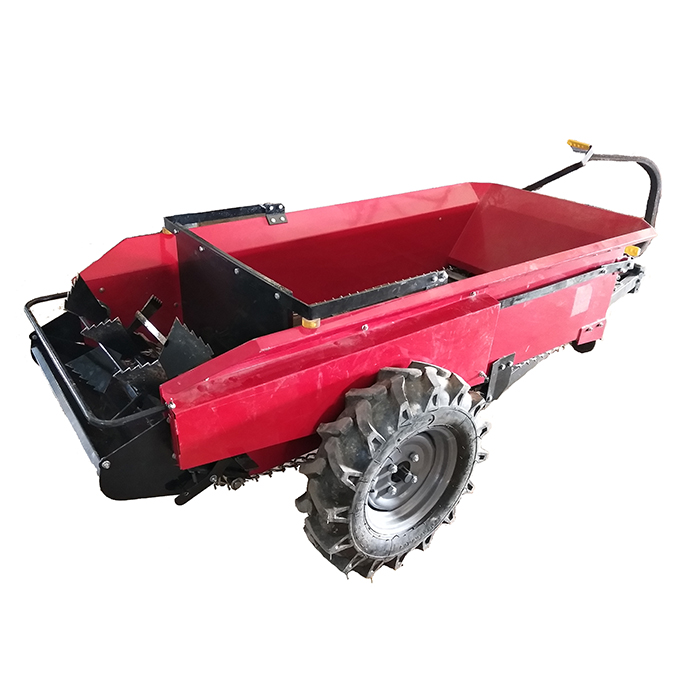
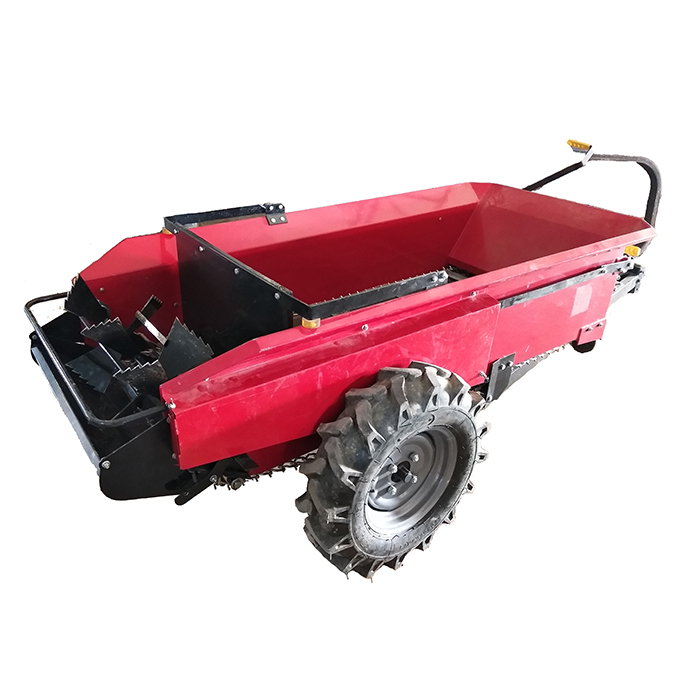
Manure spreaders are mechanical devices designed to distribute animal manure evenly across agricultural fields. By utilizing a manure spreader, farmers can enhance soil fertility, reduce manual labor, and ensure uniform nutrient distribution. FASTMA offers a range of high-quality manure spreaders tailored to various farm sizes and operational needs.
Historically, farmers relied on manual spreading, which was labor-intensive and inconsistent. The introduction of manure spreaders revolutionized nutrient management and crop productivity, making them an essential tool for modern agriculture.
There are several types of manure spreaders available on the market. Choosing the right type depends on farm size, type of manure, and intended application.
| Type | Description | Ideal For |
|---|---|---|
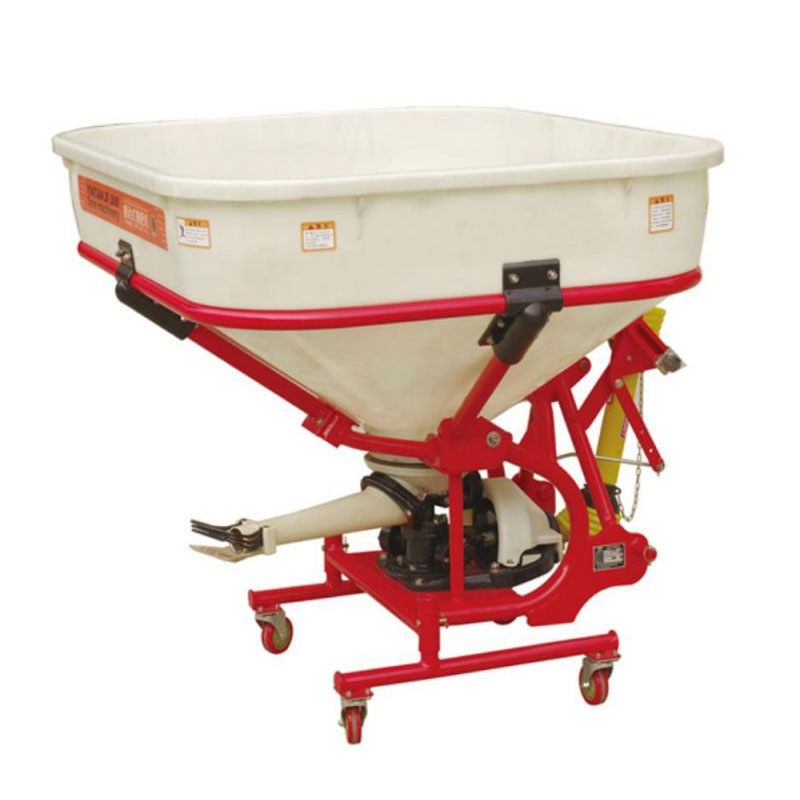
| Broadcast Spreaders | Spreads manure evenly over a wide area using spinning discs. | Large fields, dry manure |
| Drop Spreaders | Drops manure directly below the machine for precise placement. | Small plots, vegetable gardens |
| Vertical Beater Spreaders | Uses rotating beaters to break up clumps and spread manure. | Slurry and composted manure |
| Horizontal Spreader Wagons | Conveys manure with horizontal beaters for uniform spreading. | Medium to large farms, mixed manure types |
FASTMA specializes in innovative designs for both vertical and horizontal spreaders, ensuring durability, easy maintenance, and optimal performance.
Using a manure spreader provides multiple benefits:
Choosing the right manure spreader depends on several factors:
Proper operation of a manure spreader maximizes benefits and reduces wear:
Proper maintenance extends the lifespan of a manure spreader:
Investing in a manure spreader is cost-effective over the long term. Below is a comparison table:
| Spreader Type | Average Cost | Maintenance Costs | Expected Lifespan |
|---|---|---|---|
| Broadcast Spreaders | $2,000 - $5,000 | $200/year | 10-15 years |
| Drop Spreaders | $1,500 - $3,000 | $150/year | 8-12 years |
| Vertical Beater Spreaders | $4,000 - $7,000 | $300/year | 12-15 years |
| Horizontal Spreader Wagons | $5,000 - $10,000 | $400/year | 15-20 years |
Considering longevity and labor savings, investing in a FASTMA manure spreader provides high returns through improved crop yields and efficiency.
Manure spreaders are essential tools for modern agriculture, offering efficiency, improved soil health, and cost savings. Selecting the right type, operating it correctly, and maintaining it regularly ensures maximum productivity. FASTMA provides innovative solutions to meet diverse farming needs with reliable and durable manure spreaders. To enhance your farm's efficiency and boost crop yields, contact us today to explore our range of high-quality manure spreaders.