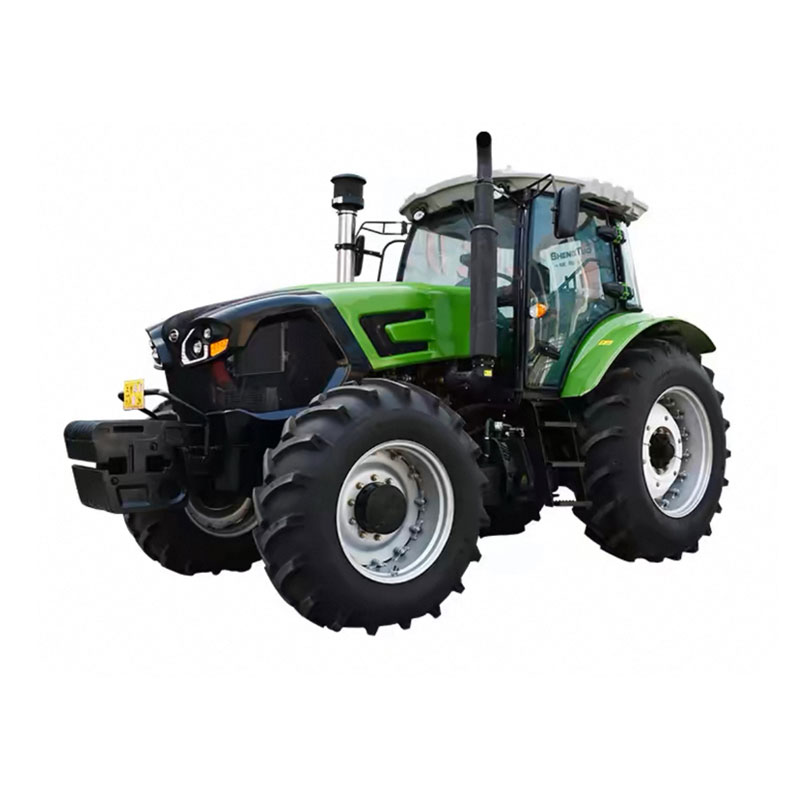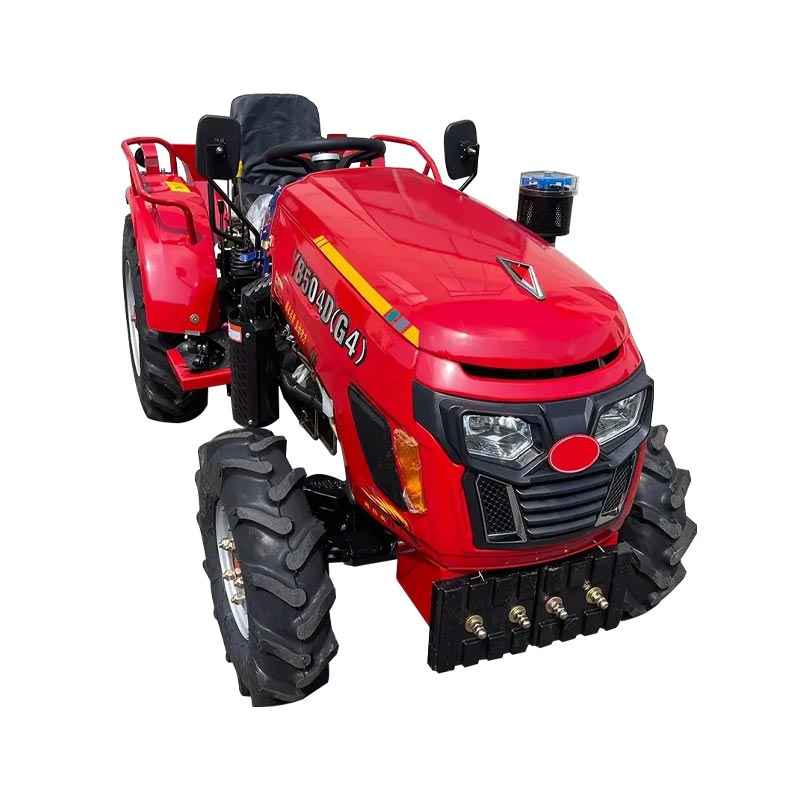

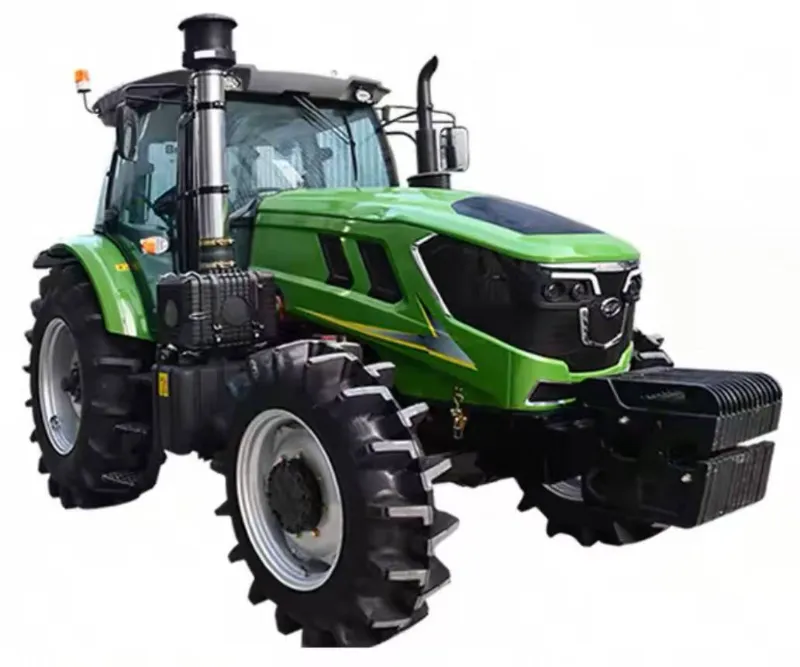
High Crop Tractors are gaining attention as large farms look for machinery that can handle taller crops, changing field conditions, and more precise agricultural operations. Unlike standard tractors designed mainly for general field work, high-clearance models are developed to operate through advanced crop stages while reducing damage to plants during cultivation and maintenance activities.
As agricultural production continues to move toward larger-scale management and precision-based practices, tractor design is changing. Farmers are not only looking for more horsepower but also better adaptability, improved visibility, efficient operation, and compatibility with modern farming technologies. Precision agriculture adoption continues to expand, with guidance systems and data-based tools becoming increasingly common in large-scale crop production.
The Growing Need for Higher Crop Clearance
Traditional tractors are suitable for many early-season operations, including soil preparation, planting, and initial field management. However, once crops grow taller, standard tractor structures can create challenges. Tires, axles, and lower components may interfere with plants, especially in crops such as corn, sugarcane, cotton, and other tall-row crops.
High Crop Tractors address this challenge through increased ground clearance and specialized configurations. The higher chassis allows machinery to pass over developing crops while maintaining access for operations such as spraying, fertilizing, and crop maintenance.
The demand for this type of equipment is closely connected with changes in farming practices. As farms expand their planting areas, reducing crop damage and maintaining consistent field operations become more important factors in equipment selection.
More Than Height: What Defines a High Crop Tractor?
A higher chassis alone does not determine whether a tractor is suitable for tall-crop applications. Several design elements work together to support field performance.
| Design Feature | Role in Crop Operations |
|---|---|
| Increased ground clearance | Allows operation above taller plants |
| Narrower wheel configuration | Helps reduce contact with crop rows |
| Strong lifting capacity | Supports different agricultural implements |
| Stable frame design | Maintains balance during field work |
| Improved operator visibility | Helps monitor crop conditions and equipment position |
These features allow tractors to perform multiple tasks throughout the growing season instead of being limited to pre-planting operations.
Supporting Precision Agriculture Development
One major reason high-clearance tractors are receiving more attention is their compatibility with precision agriculture technologies.
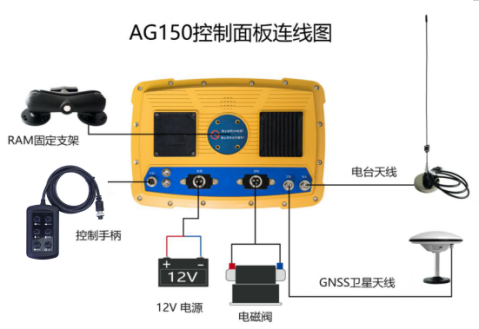
Modern farming increasingly combines machinery with GPS guidance, auto-steering, field mapping, and digital monitoring systems. These technologies help operators maintain consistent working paths, reduce unnecessary overlap, and improve resource management.
For large farms, accuracy becomes increasingly important because small operational errors can become significant when repeated across hundreds or thousands of hectares. Guidance and automation systems are already widely used in many large-scale agricultural operations, particularly for improving efficiency and reducing input waste.
When combined with high-clearance designs, these technologies allow tractors to work more effectively during later crop growth stages when access becomes more difficult.
High Crop Tractors and Changing Crop Management Practices
Crop management is no longer limited to planting and harvesting periods. Many crops require multiple field operations throughout the season, including nutrient application, pest control, and plant monitoring.
This creates a need for machinery that can enter fields without significantly affecting crop development.
For example:
- Tall corn fields may require late-season fertilizer or spraying operations.
- Cotton production may involve repeated crop protection activities.
- Sugarcane fields require equipment capable of handling dense and tall vegetation.
In these situations, a tractor that can safely move through mature crops provides additional flexibility compared with conventional equipment.
Efficiency Challenges in Large-Scale Farming
Large farms face increasing pressure from rising input costs, labor availability issues, and the need for more efficient resource use. Machinery decisions are therefore becoming more focused on operational efficiency rather than simply increasing machine size. Recent agricultural equipment discussions have highlighted the growing importance of automation, precision systems, and improved resource management.
A high-clearance tractor can contribute to efficiency by allowing fewer restrictions during the growing cycle. Instead of waiting until harvest or using specialized equipment for every task, operators can use compatible machinery across more stages of crop production.
However, efficiency depends on correct matching between tractor specifications, implements, field conditions, and crop requirements. A larger machine does not automatically create better results if it is unsuitable for the specific farming environment.
Key Factors When Selecting a High Crop Tractor
Different farming environments require different tractor characteristics. Several factors influence whether a high-clearance tractor fits a particular operation.
Crop Type and Growth Pattern
The required clearance depends on crop height and the timing of field operations. Crops with rapid vertical growth may require more clearance than low-growing crops.
Field Size and Terrain
Large, open fields may benefit from tractors designed for long working hours and consistent operation. Uneven terrain may require attention to stability and traction.
Implement Compatibility
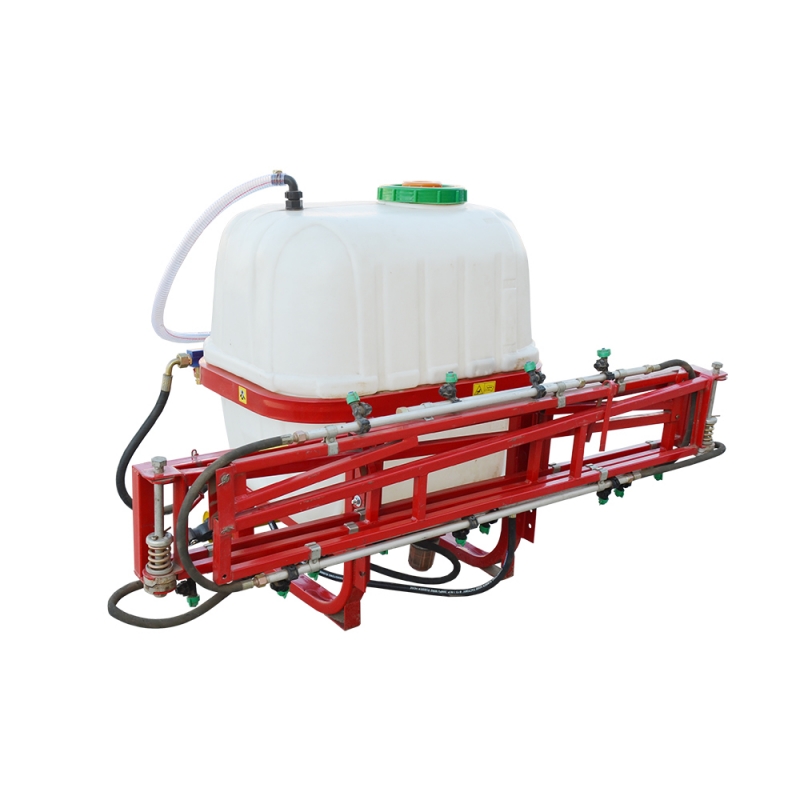
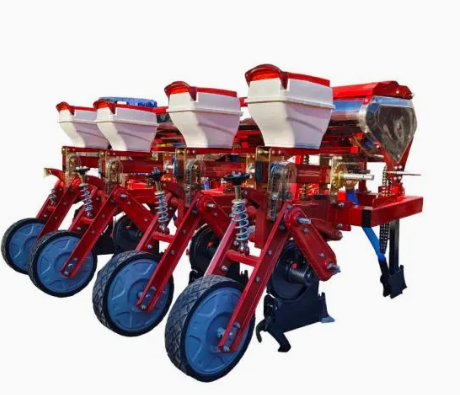
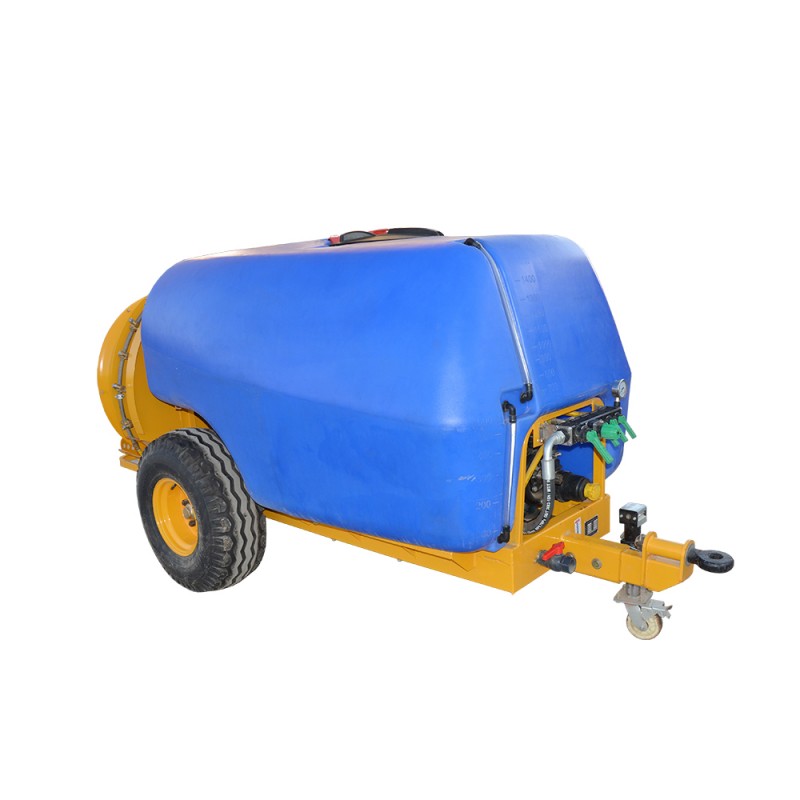
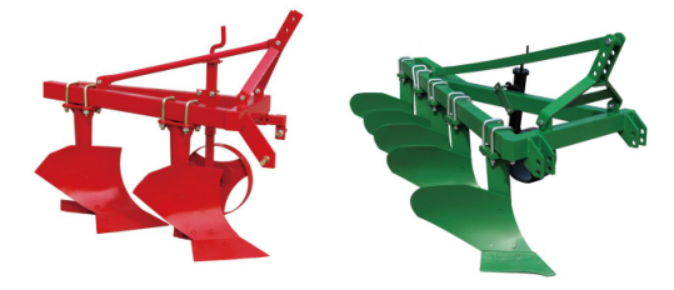
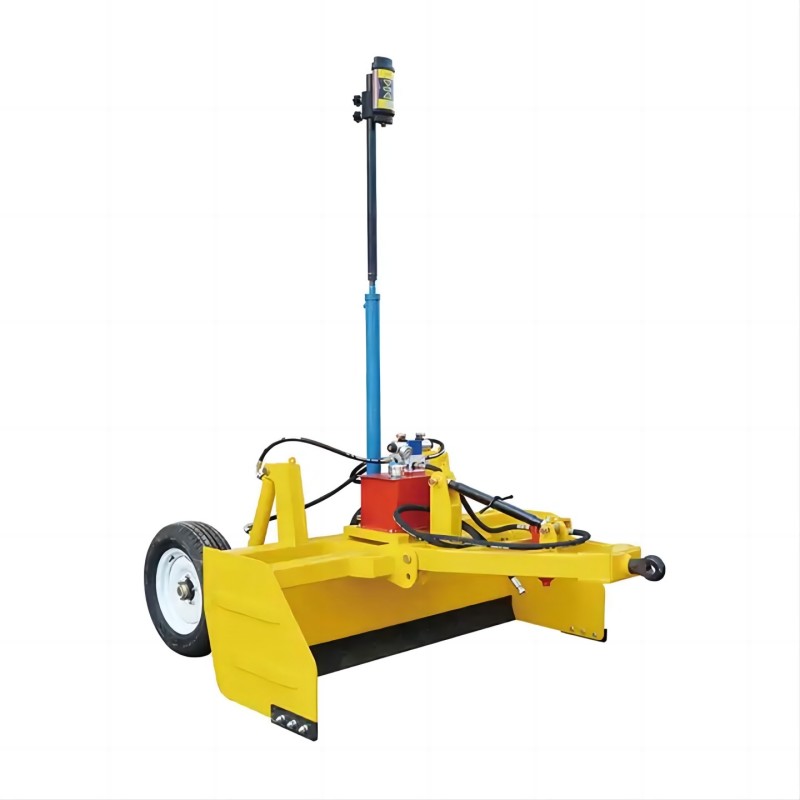
A tractor must work effectively with the tools used in daily operations, including sprayers, fertilizer equipment, cultivators, and other attachments.
Technology Integration
Compatibility with GPS guidance, automatic steering, and digital farm management platforms is becoming a more important consideration as precision agriculture develops.
The Shift Toward Smarter Agricultural Machinery
The future direction of agricultural machinery is not only about producing larger and more powerful equipment. Instead, the industry is moving toward machines that combine mechanical capability with digital control.
High Crop Tractors represent this transition. Their value comes from solving a specific agricultural challenge: maintaining field access during crop growth while supporting modern management methods.
As farms continue adopting data-driven approaches, machinery design will likely continue evolving around flexibility, precision, and lower operational waste. Precision agriculture research and industry surveys show that farmers increasingly consider technology integration an important part of improving farm efficiency.
Conclusion
The increasing use of High Crop Tractors reflects a broader change in modern farming. Large-scale crop production requires equipment that can operate beyond traditional planting and harvesting periods while protecting crops and supporting accurate field management.
From improved crop clearance to compatibility with precision technologies, these tractors are becoming an important part of how farms manage taller crops and complex production cycles. As agricultural practices continue to develop, equipment such as FASTMA® High Crop Tractors from Xingtai Farming First Agricultural Machinery Co., Ltd. represents the ongoing evolution of machinery designed for changing field conditions and modern crop production needs.