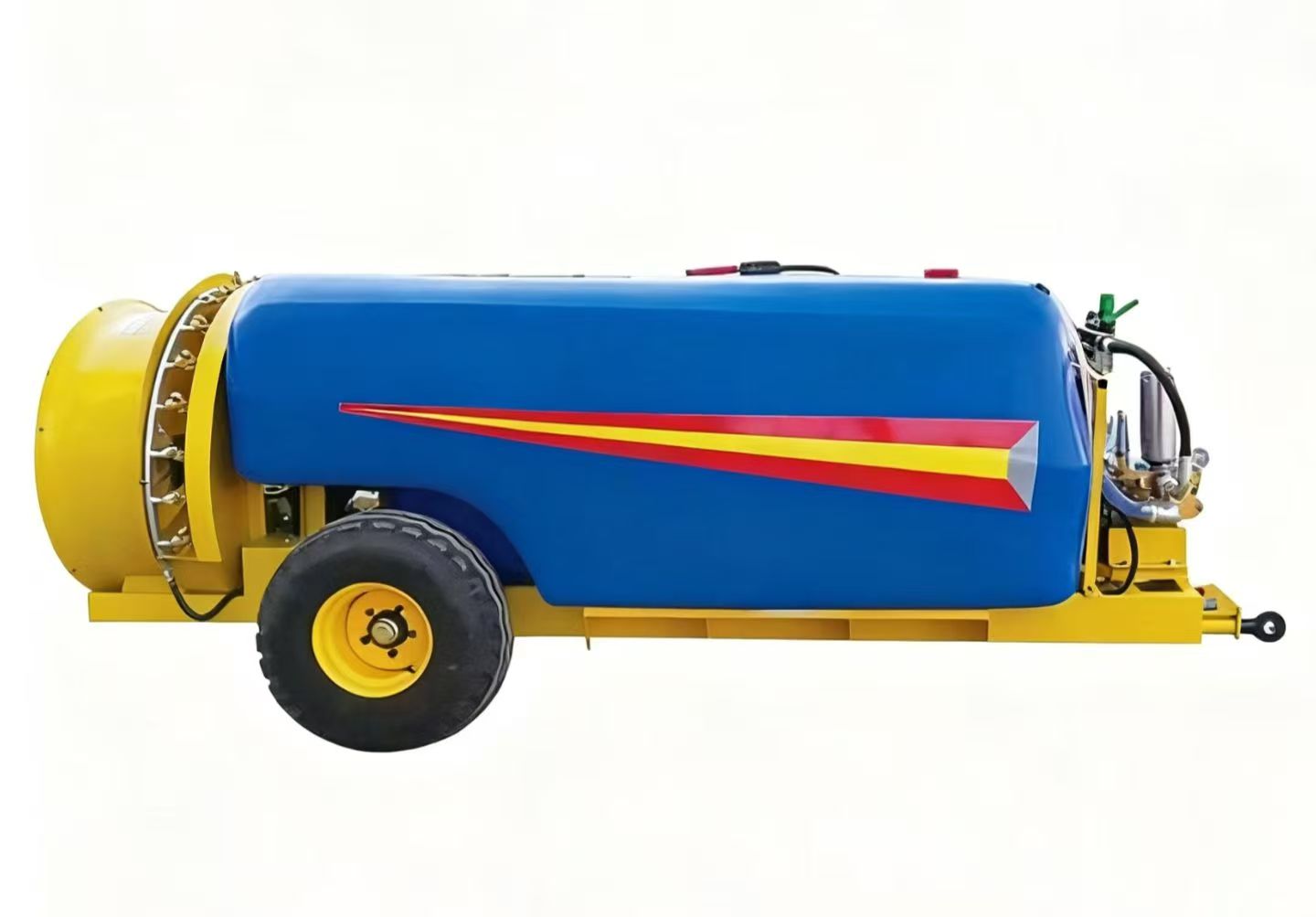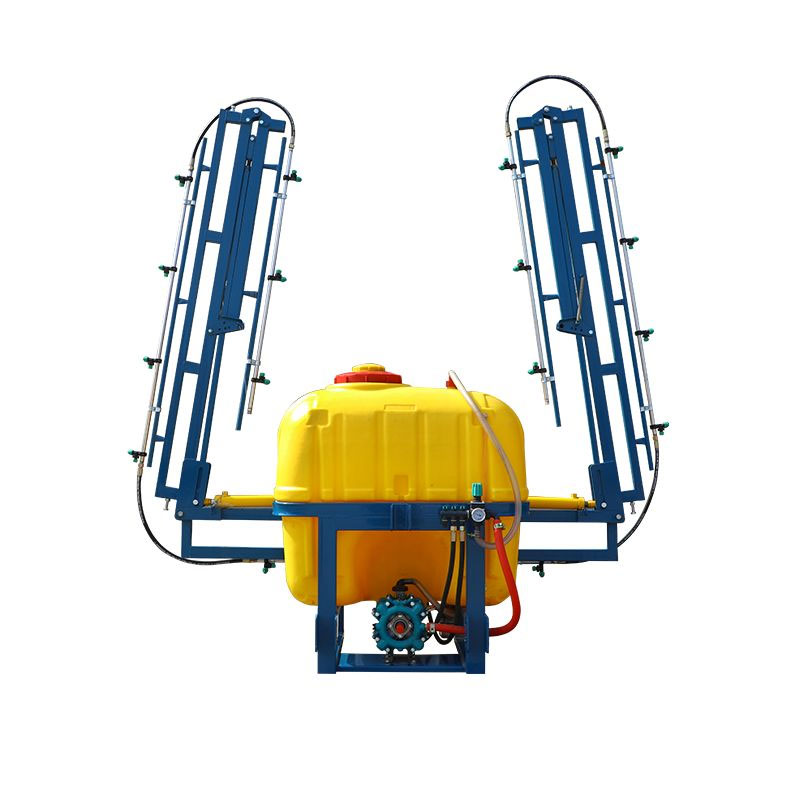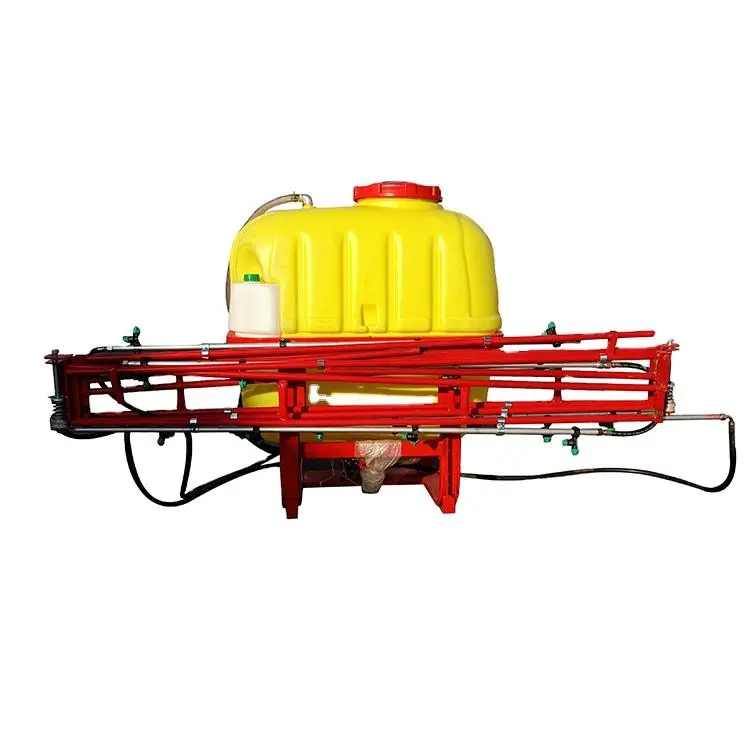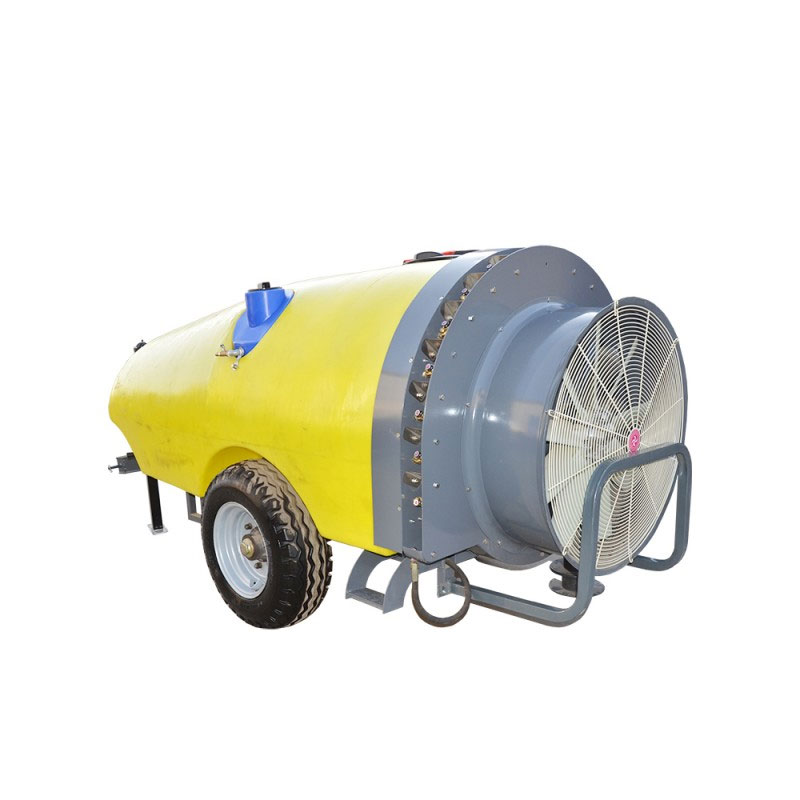

A Hay Rake is one of the most essential agricultural machines used in modern hay production. It plays a crucial role in gathering cut hay into windrows for easier baling, drying, and transportation. Without an efficient hay rake, farmers risk losing valuable forage quality, increasing labor costs, and reducing productivity. This comprehensive guide explores everything you need to know about hay rakes, including types, working principles, benefits, maintenance, and buying considerations.
We also highlight how FASTMA, a professional agricultural machinery brand, improves efficiency, durability, and field performance through advanced hay rake engineering. Whether you are a small farm operator or managing large-scale agricultural production, understanding hay rakes can significantly improve your harvesting workflow.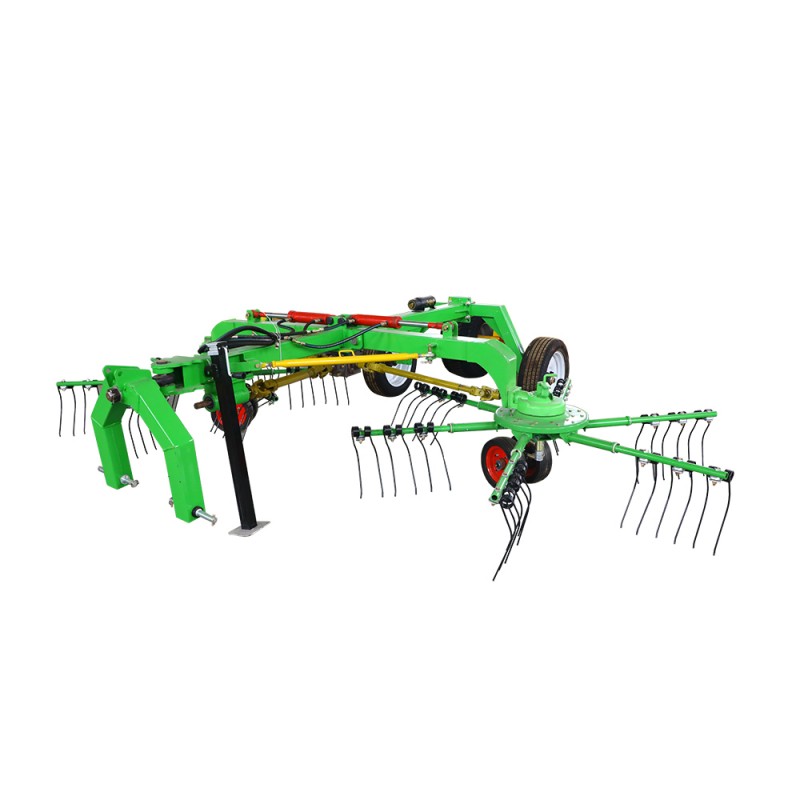
A Hay Rake is an agricultural implement used after mowing to gather cut hay into rows known as windrows. These windrows allow for faster drying and easier collection by balers. According to agricultural equipment insights, hay rakes are critical in preserving forage quality and minimizing field losses.
You can explore more technical details about this equipment on this reference page: Hay Rake Agricultural Guide.
Modern hay rakes come in various designs, including wheel rakes, rotary rakes, and parallel bar rakes. Each type is designed to serve different field conditions and crop requirements.
In today’s agricultural landscape, efficiency and speed determine profitability. A hay rake helps farmers:
Without a reliable hay rake, farmers would need to rely on manual labor or inefficient methods that increase production time and cost. Companies like FASTMA focus on improving mechanical design to meet modern farming demands.
Different farming conditions require different hay rake types. Below is a detailed breakdown:
| Type | Description | Best Use |
|---|---|---|
| Wheel Hay Rake | Uses rotating wheels to lift and form windrows | Light to medium crops, flat terrain |
| Rotary Hay Rake | Uses rotating arms for gentle crop handling | High-quality forage production |
| Parallel Bar Rake | Uses bars to move hay efficiently | Heavy crops and large-scale farms |
| Belt Rake | Uses conveyor-style belt system | Advanced industrial farming operations |
Each type of hay rake offers unique advantages depending on terrain, crop density, and operational scale.
FASTMA is recognized for producing durable and efficient agricultural machinery. Their hay rake equipment includes several advanced features:
FASTMA focuses on engineering innovation to ensure farmers achieve maximum productivity with minimal operational effort.
Selecting the right hay rake depends on several important factors. The table below provides a clear comparison:
| Factor | Small Farm | Large Farm |
|---|---|---|
| Field Size | Compact rake preferred | Wide working width rake |
| Crop Type | Light forage | Dense hay or silage crops |
| Budget | Lower cost wheel rake | High-end rotary or belt rake |
| Maintenance | Simple structure | Advanced but durable systems |
Choosing the right equipment ensures long-term efficiency and cost savings.
A hay rake works by lifting cut forage from the ground and forming it into organized windrows. These windrows allow air circulation, speeding up drying and making baling easier.
The process typically involves:
Modern systems like those developed by FASTMA improve precision and reduce crop loss significantly.
The use of a hay rake is essential for both small and industrial-scale farming operations.
Proper maintenance ensures long equipment life and efficient operation:
FASTMA hay rakes are designed for low maintenance, but routine care is still essential for peak performance.
Farmers often make avoidable errors when using hay rakes:
Avoiding these mistakes ensures maximum efficiency and crop quality preservation.
While hay rakes are standard, other equipment exists for similar tasks. Here’s a comparison:
| Equipment | Function | Efficiency |
|---|---|---|
| Hay Rake | Forms windrows | High |
| Tedders | Fluffs hay for drying | Medium |
| Manual Tools | Hand gathering | Low |
Among these, the hay rake remains the most efficient solution for modern agriculture.
Q1: What is the main purpose of a hay rake?
A hay rake is used to gather cut hay into windrows for efficient drying and baling.
Q2: Which type of hay rake is best?
It depends on farm size and crop type. Rotary rakes are ideal for high-quality forage, while wheel rakes are cost-effective.
Q3: How does FASTMA improve hay rake performance?
FASTMA enhances durability, efficiency, and crop protection through advanced engineering design and precision tine systems.
Q4: Can hay rake damage crops?
If used incorrectly, yes. However, modern machines like FASTMA hay rake reduce crop damage significantly.
Q5: How often should a hay rake be maintained?
It should be inspected before and after each use, with regular lubrication and part replacement as needed.
The Hay Rake remains a fundamental tool in modern agricultural production. It improves efficiency, reduces labor, and ensures high-quality forage harvesting. With advancements from brands like FASTMA, farmers now benefit from stronger, more efficient, and highly durable equipment designed for diverse farming conditions.
Whether you are upgrading your farm machinery or starting a new agricultural operation, investing in a reliable hay rake is essential for long-term productivity and profitability.
For more product details, technical support, or customized agricultural solutions, contact us today and let FASTMA help you optimize your farming efficiency with advanced hay rake solutions tailored to your needs.